Design range
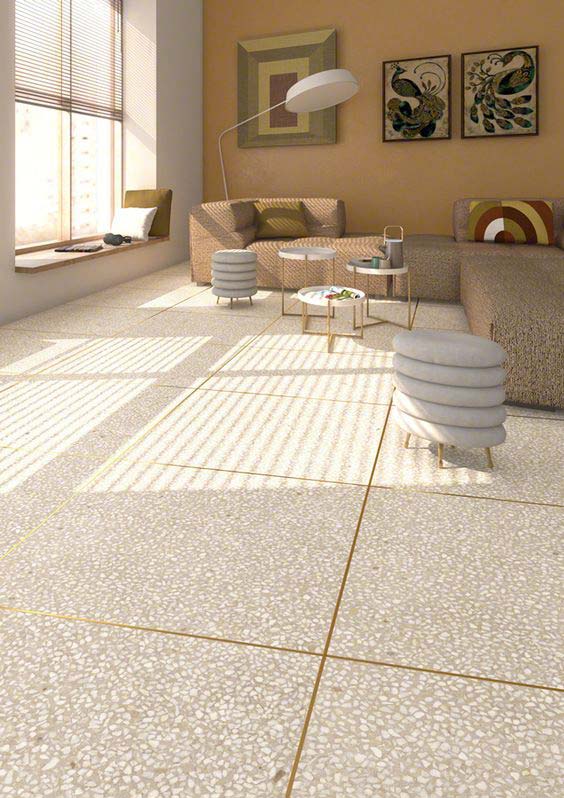
Aggregate, base colour, exposure, and divider layout can be tuned from calm monolithic floors to highly detailed feature surfaces.
Terrazzo floors
Custom terrazzo floors and surfaces developed through aggregate, colour, divider layout, brass detail, sampling, and site planning.
Material first
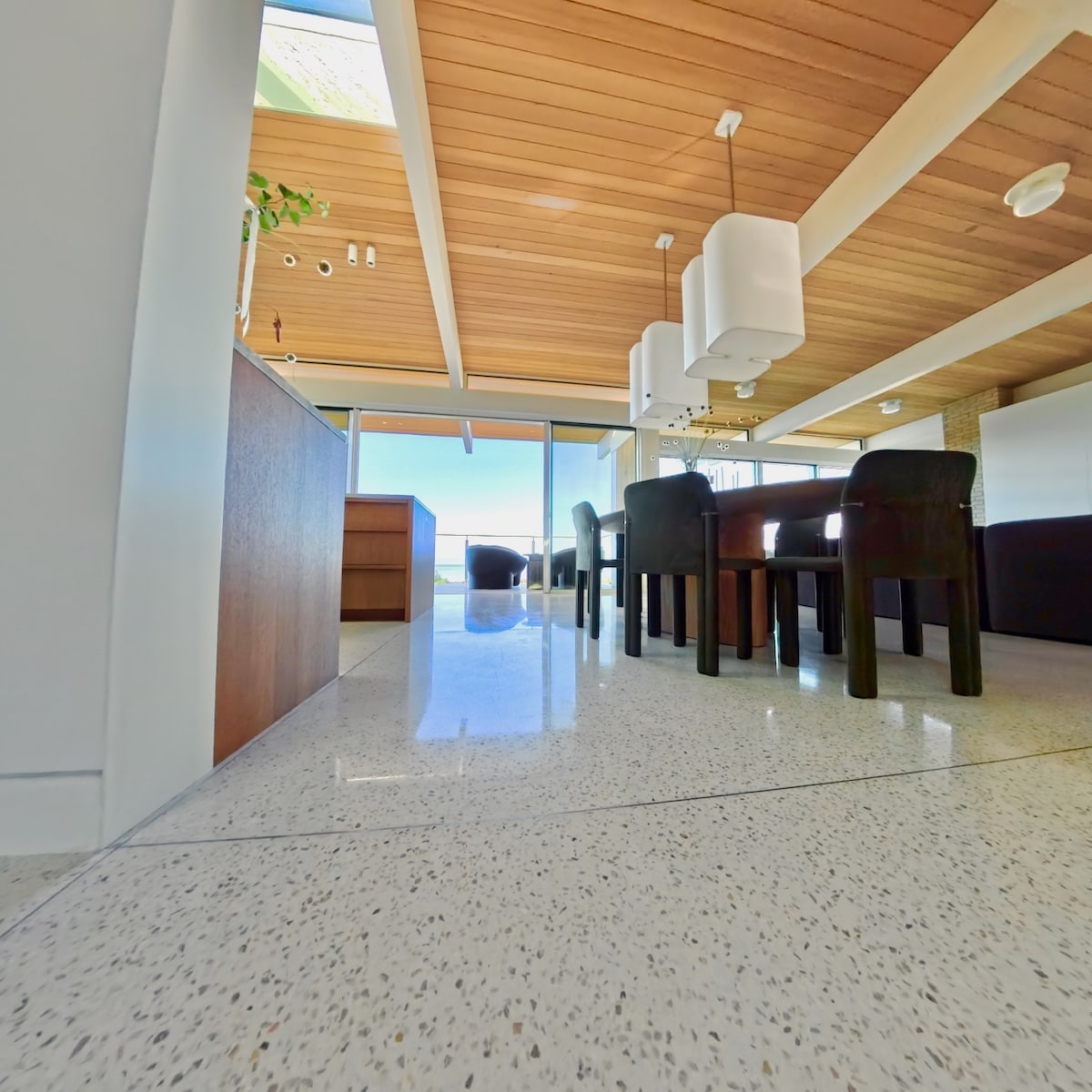
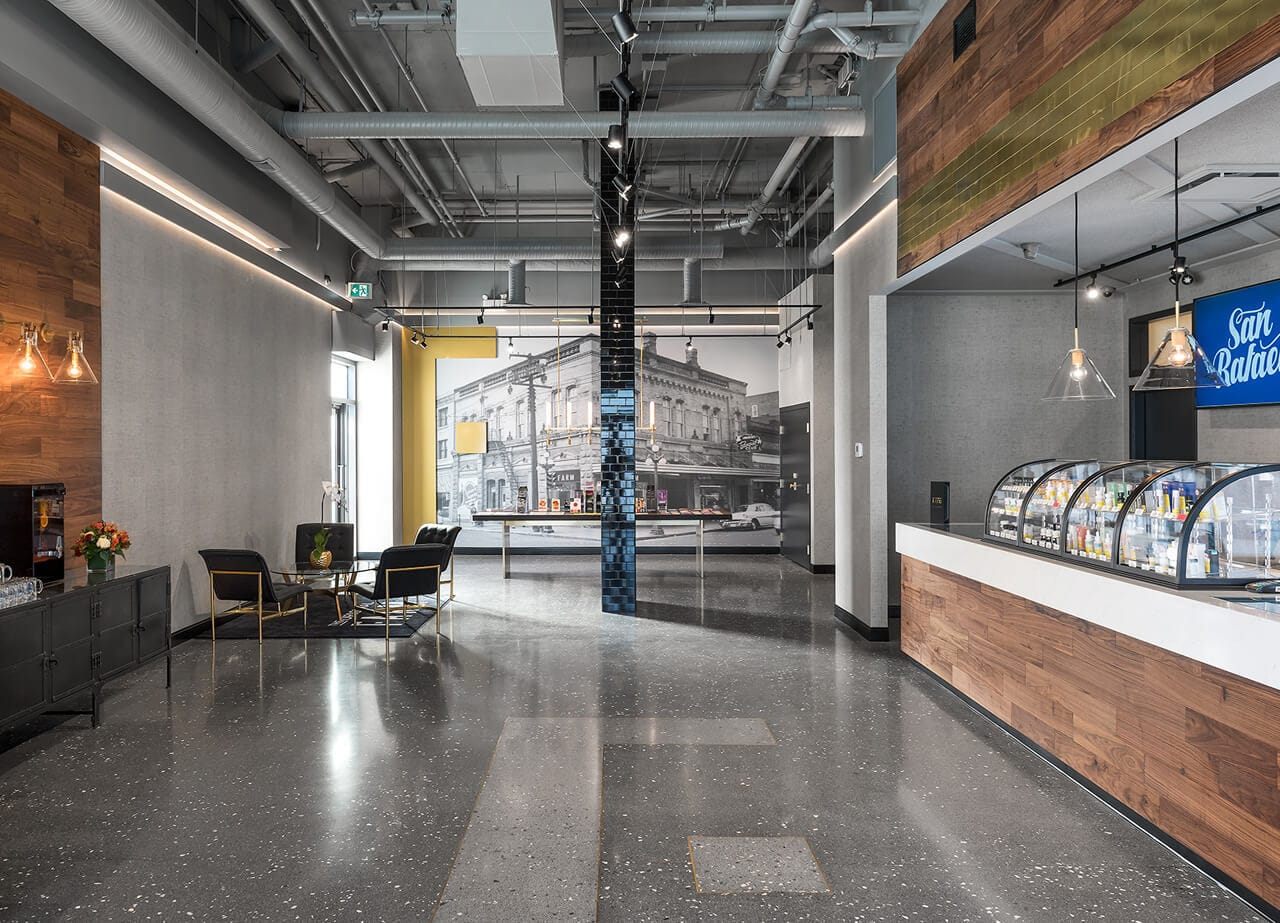
Terrazzo works when the finish is planned as part of the room: the aggregate scale, base colour, transitions, brass lines, and polish level all need to resolve before the pour.
Why terrazzo
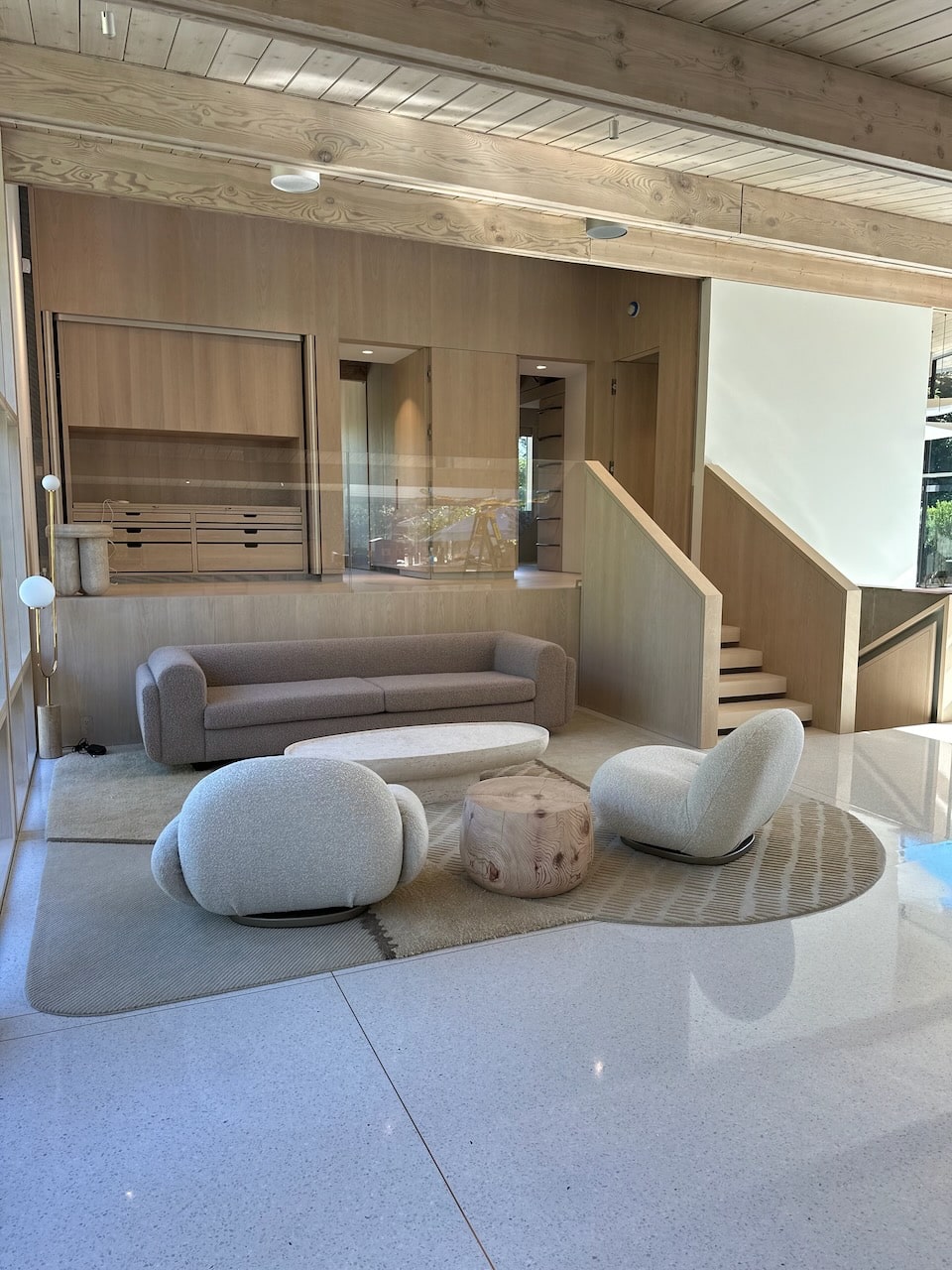
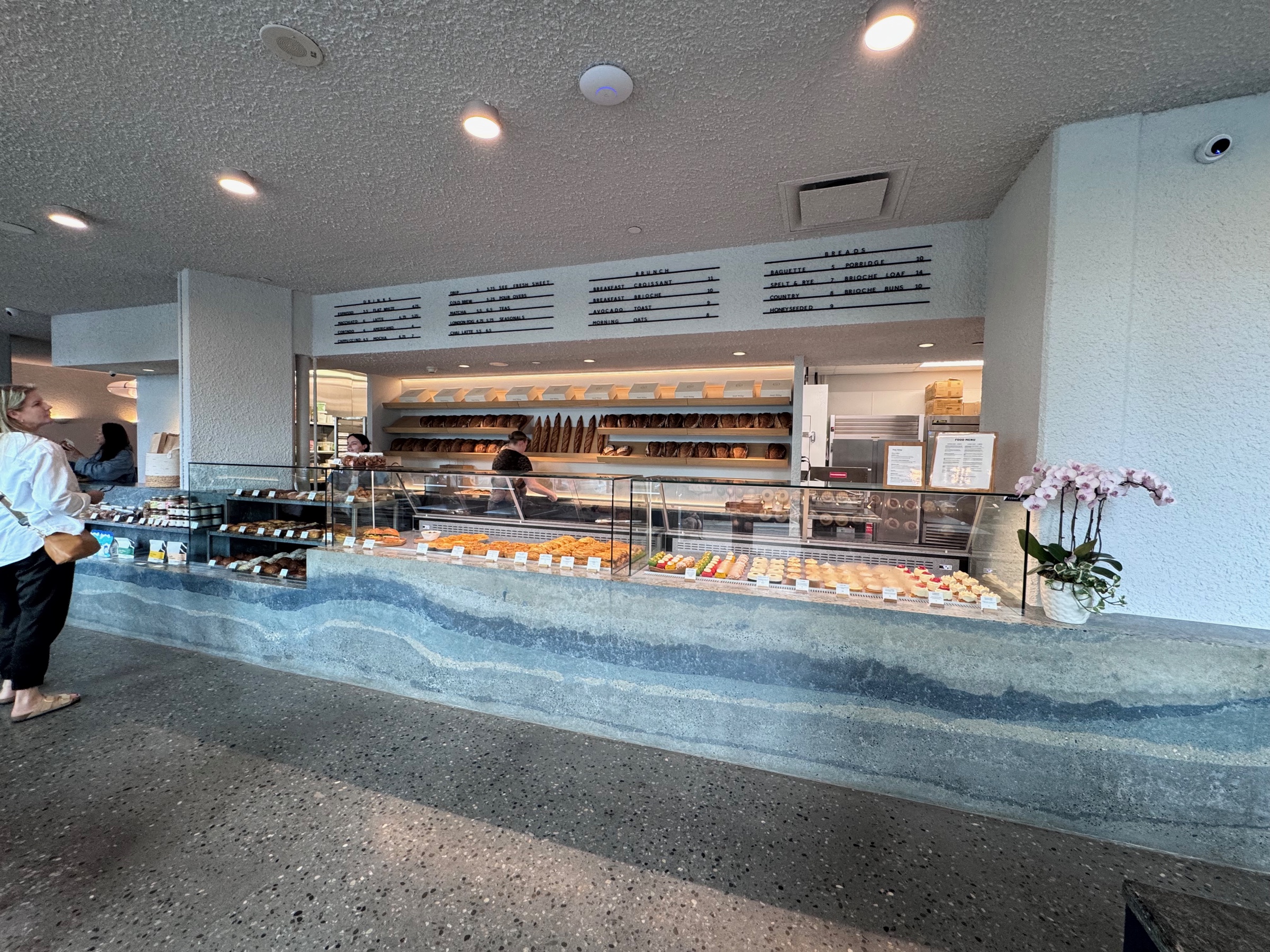
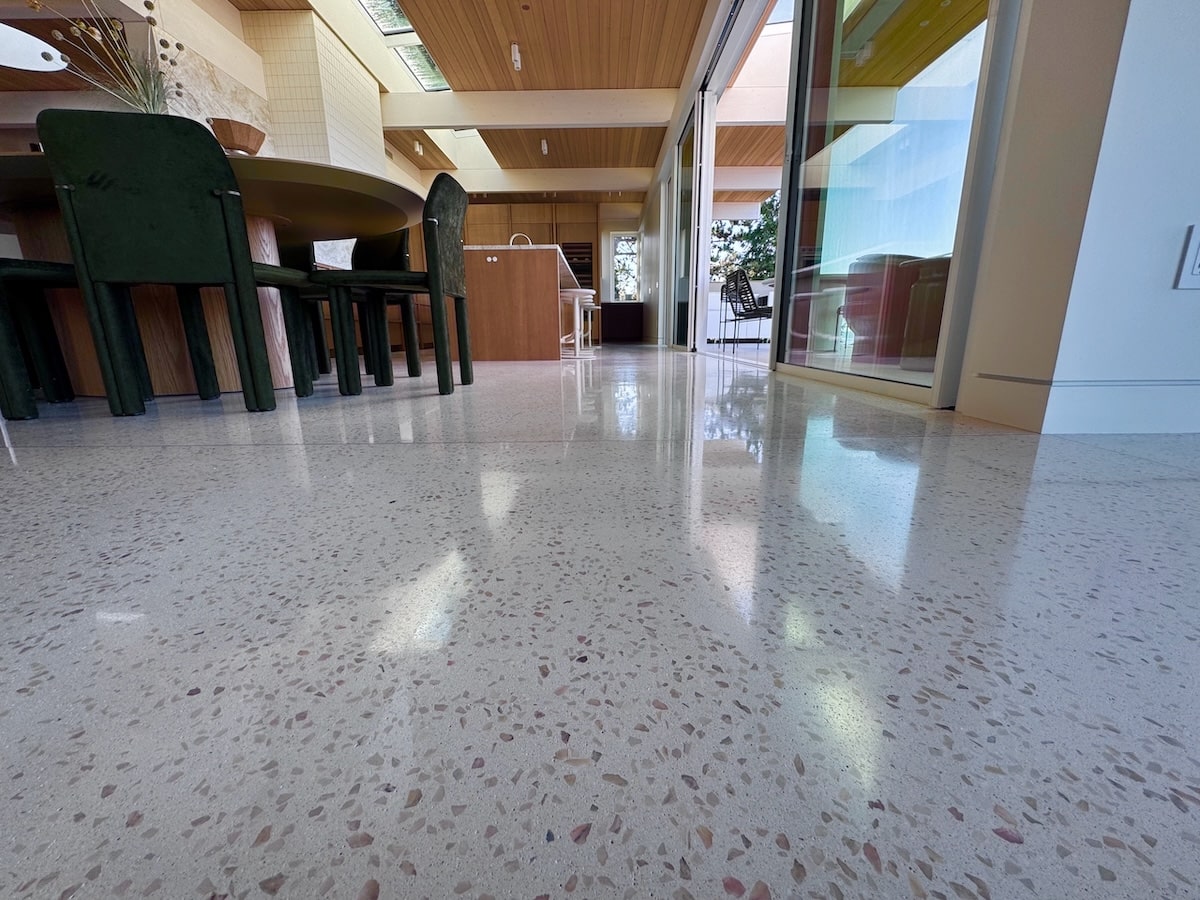
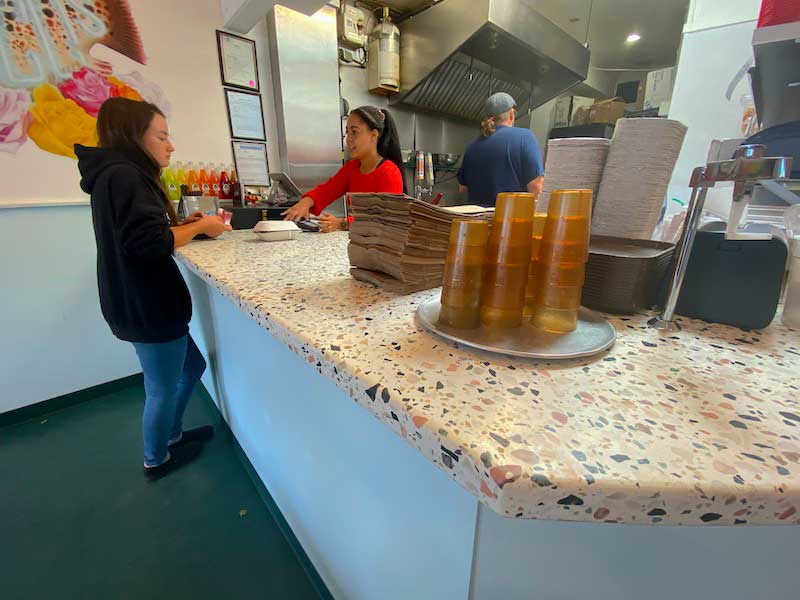
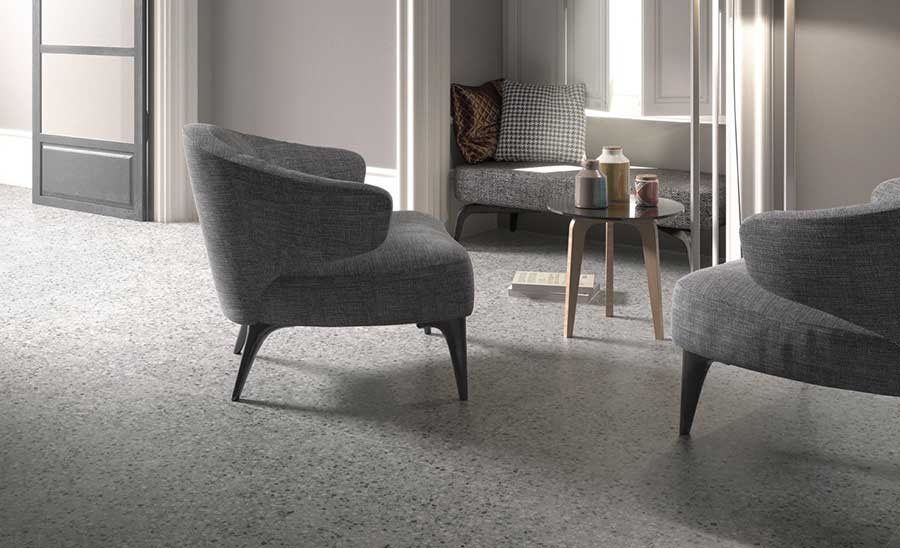
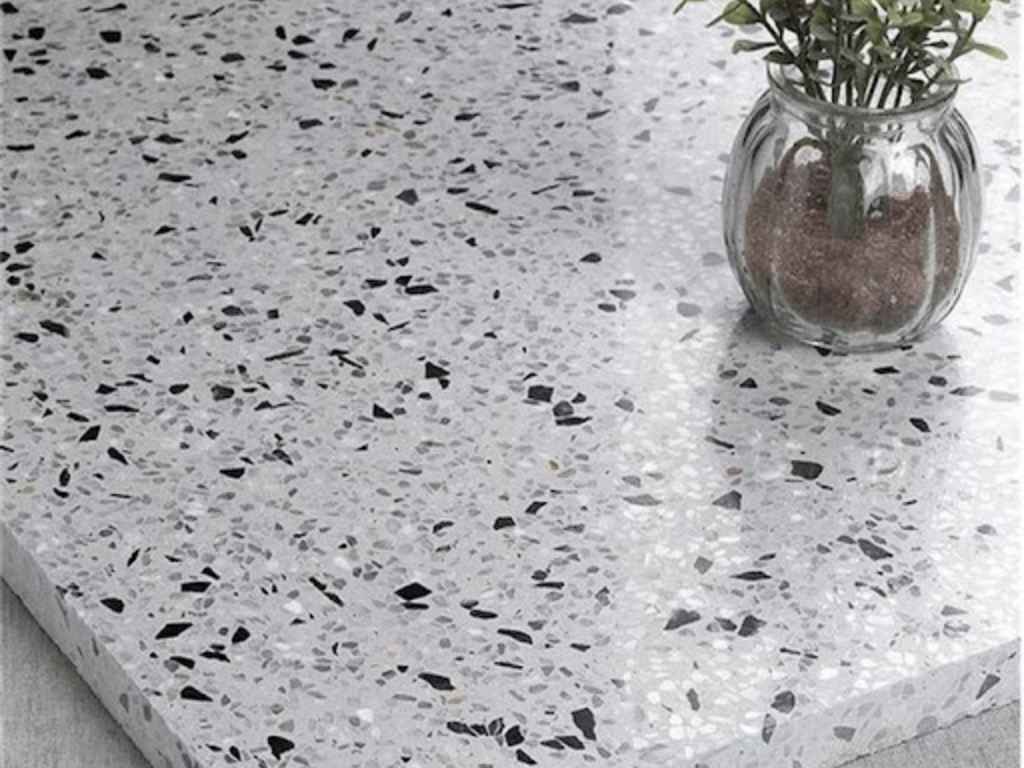
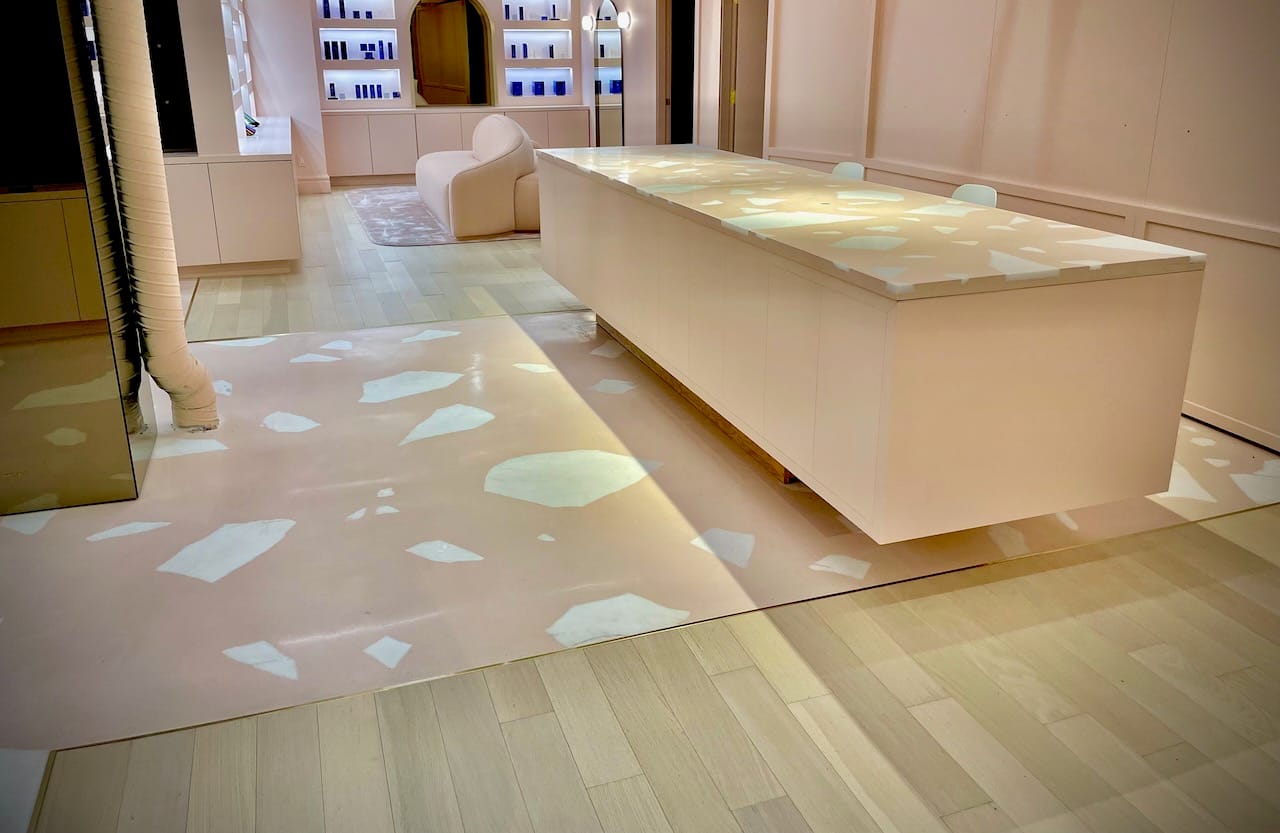
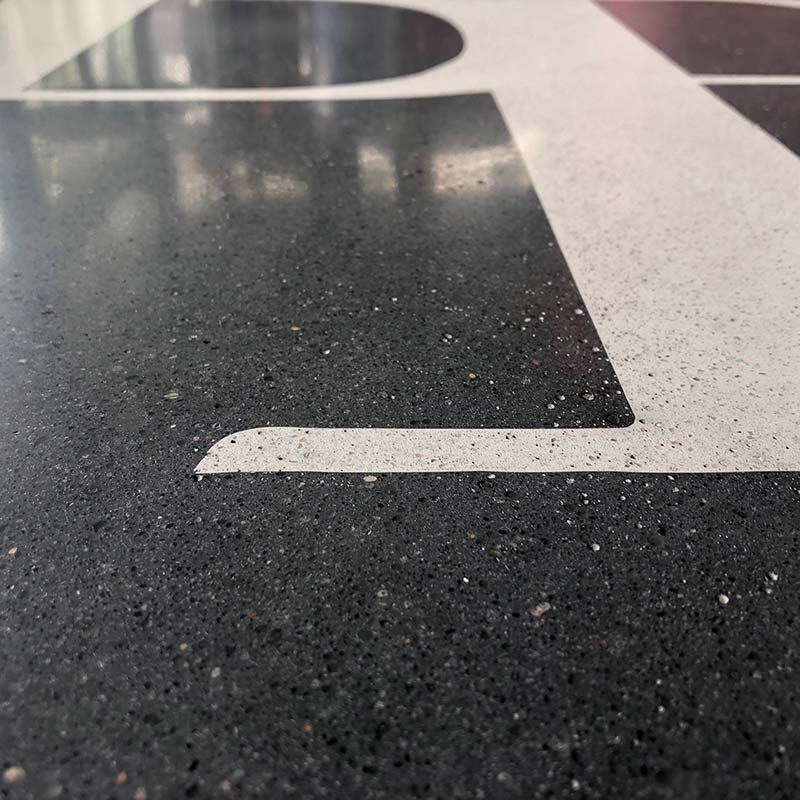
Terrazzo gives designers and owners a durable floor with almost unlimited visual range: marble, local stone, glass, shell, recycled content, bright base colours, quiet neutrals, and divider-strip geometry.
Aggregate, base colour, exposure, and divider layout can be tuned from calm monolithic floors to highly detailed feature surfaces.
A well-built terrazzo floor can be repaired, resealed, refinished, and kept in the project for decades.
Floors, stairs, counters, wall returns, brass inlays, and adjacent precast elements can share one coherent material language.
What gets decided
 Aggregate
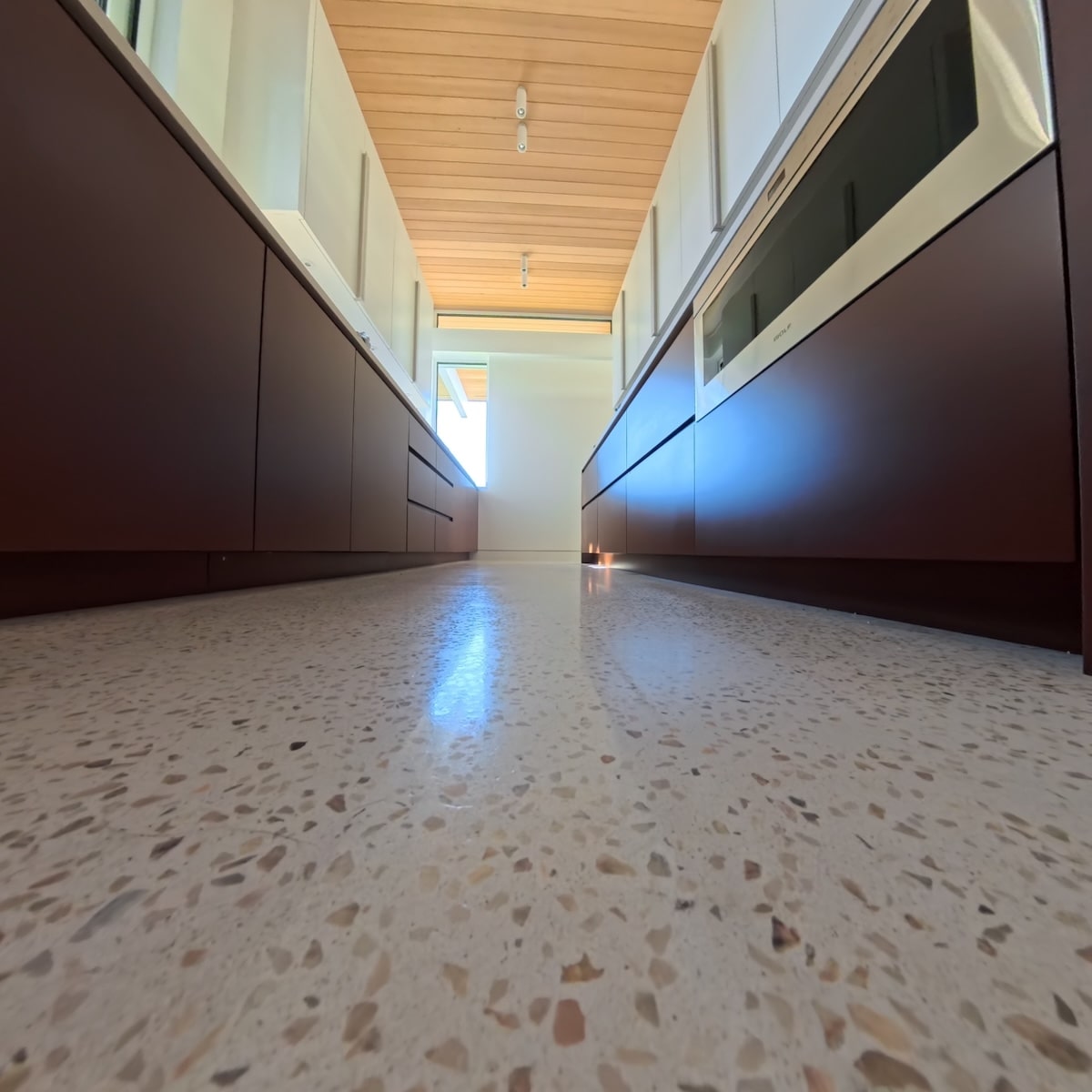
Choose the scale and mix of aggregate before the floor becomes a finish decision on site.
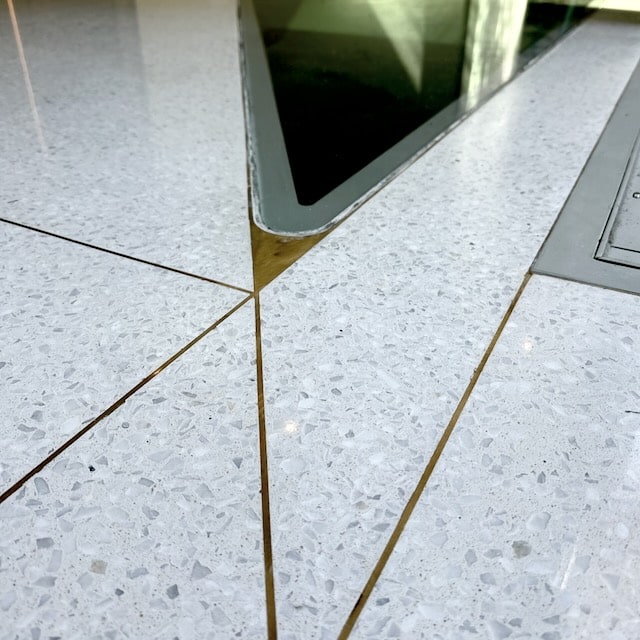 Divider strips
Divider strips control movement, define layout, and can turn practical joints into intentional detailing.
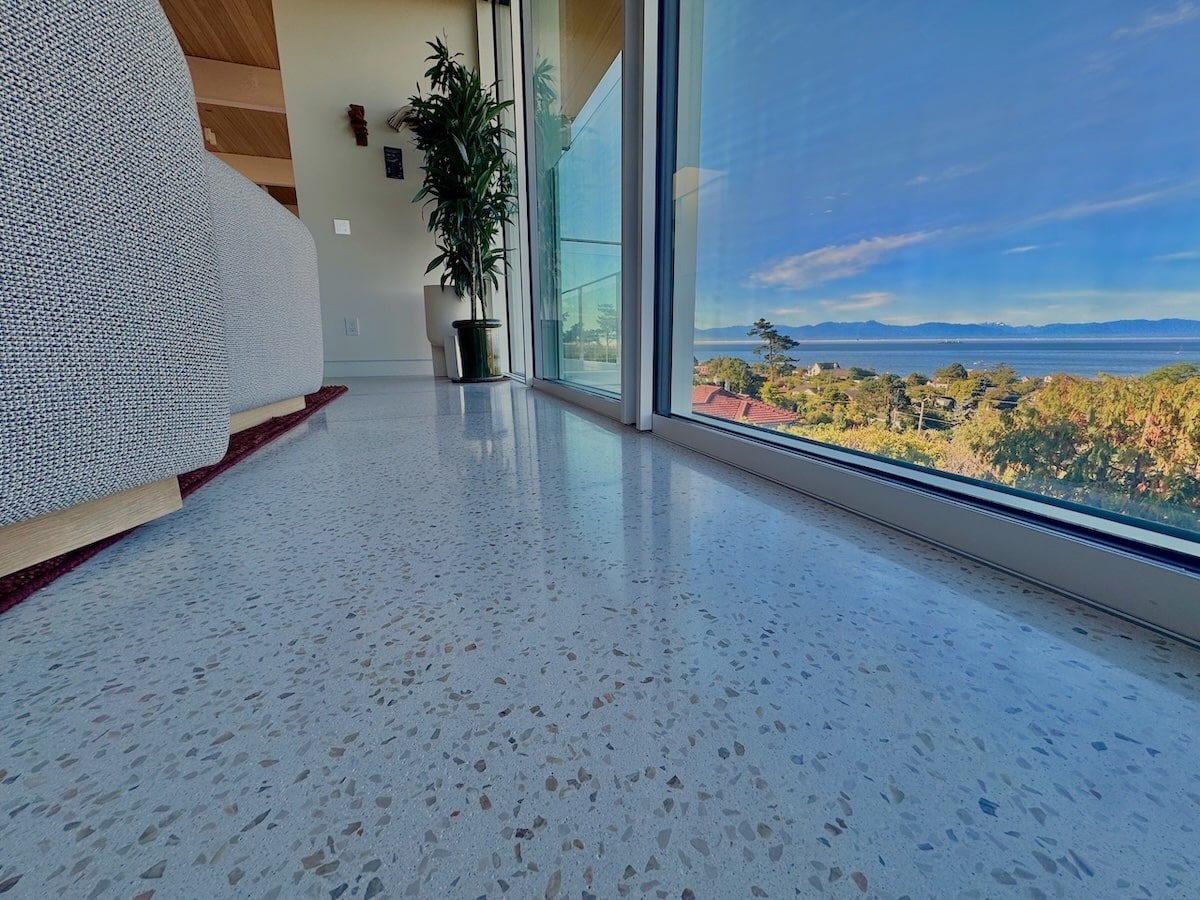 Samples
Samples help settle base colour, aggregate contrast, exposure, polish level, and protection expectations.

Where it fits
Feature floors in custom homes and renovations
Hospitality, retail, and high-traffic commercial interiors
Stairs, thresholds, counters, and integrated architectural details
Design-led spaces where the surface has to be memorable
Planning notes
Start with a sample conversation before final palette decisions.
Review aggregate scale, divider strips, edge details, and transition locations.
Confirm subfloor preparation, heat, movement control, and protection before installation.
Plan mockups for high-visibility spaces and custom colour combinations.
Related work
Next step
Stone Design can help clarify finish intent, substrate constraints, sequencing, divider layout, and realistic sample direction.
Plan a terrazzo surface